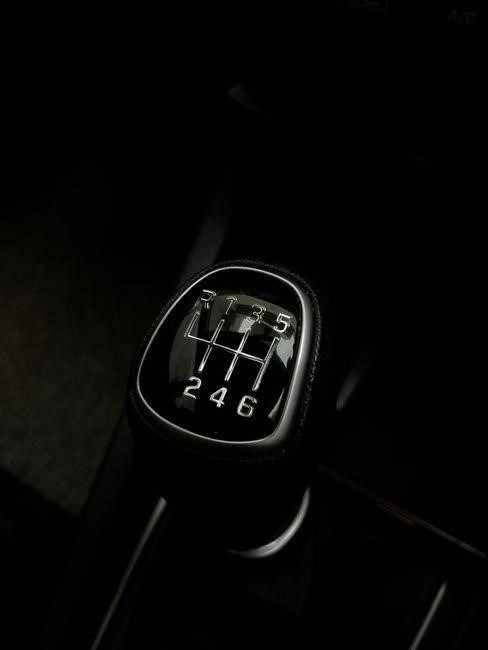
Manual transmissions in UTVs offer riders direct gear control‚ improving torque management on rough terrain. Models like the Polaris Ranger Crew XP and Yamaha Grizzly 700 feature 2‑to-4‑speed manuals‚ prized by enthusiasts. for off‑road fun.
What is a Manual Transmission?
A manual transmission in a UTV is a gear‑shift system that requires the operator to manually select gears using a lever or clutch. Unlike automatic units that shift by computer‚ a manual setup gives the rider direct control over torque and speed. The driver engages the clutch‚ moves the shift lever through a predetermined pattern—often 2‚ 3‚ or 4 speeds—and releases the clutch to lock the selected gear. This process allows precise power delivery‚ especially on uneven or steep terrain where maintaining optimal engine RPM is critical. Manual transmissions are lighter‚ simpler‚ and often more durable than their automatic counterparts‚ making them a favorite for off‑road enthusiasts who value responsiveness and mechanical transparency. In UTVs‚ the manual gearbox is typically mounted beside the engine‚ connected to the drivetrain via a short shaft‚ and operates through a series of gears that reduce or increase engine speed to match the rider’s needs. The manual system’s simplicity also translates to easier maintenance and repair‚ as fewer electronic components are involved. Overall now a manual transmission provides a riding experience giving the operatorcommand over gearselection and vehicle performance!
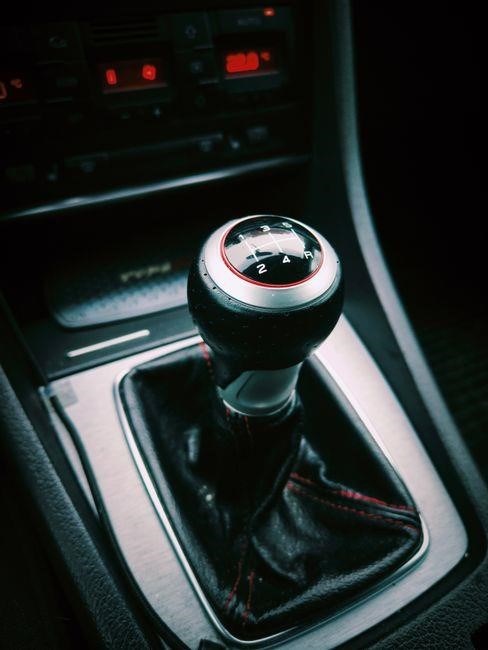
Why Manual Transmissions Matter for UTVs
Manual gearboxes give off‑road riders precise control over torque‚ allowing them to match engine speed to terrain demands. The ability to shift at will means operators can keep the motor within its optimal power band‚ reducing wear and improving fuel efficiency on climbs‚ descents‚ and uneven surfaces. Manual systems are lighter and mechanically simpler‚ which lowers overall vehicle weight and eliminates the need for complex electronic controls‚ making them easier to repair in remote locations. Enthusiasts appreciate the tactile feedback and the sense of mastery that comes from manually selecting gears‚ especially when navigating technical trails or performing high‑speed maneuvers. Moreover‚ many manufacturers design UTVs with manual transmissions to meet regulatory requirements in certain markets‚ ensuring compliance while still offering robust performance. In summary‚ manual transmissions enhance control‚ reliability‚ and rider engagement‚ making them a preferred choice for serious off‑road adventures. Riders often cite the tactile feel of shifting as a key factor in choosing a manual UTV‚ when inclines or hard terrain require precise gear selection to avoid stalled engines and keep momentum steady.
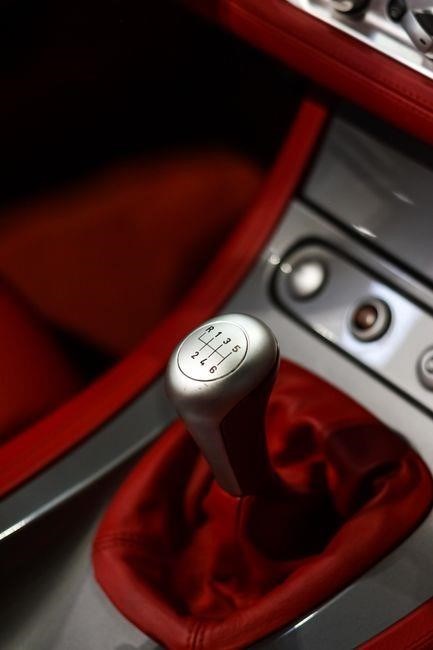
Common Manual Transmission Systems Used in UTVs
Common UTV manual transmissions include 2‑speed‚ 3‑speed‚ and 4‑speed gearboxes. They feature simple H‑shifts‚ gear ratios‚ and lightweight construction‚ enabling efficient torque torquedelivery across varied off‑road conditionsfor all now
2-Speed Manual Transmissions
Two‑speed manuals dominate the entry‑level UTV market‚ offering a balance between simplicity and performance. The first gear delivers high torque for steep climbs or heavy loads‚ while the second gear provides a smoother‚ higher‑speed ride across open trails. These gearboxes typically feature an H‑shaped selector‚ allowing quick shifts with minimal effort. Because the gear ratios are fixed‚ drivers can anticipate power delivery and maintain optimal RPM ranges‚ reducing engine wear. Popular models such as the Polaris Ranger Crew XP‚ Yamaha Grizzly 700‚ and Honda Pioneer 350 use 2‑speed units that are lightweight‚ easy to service‚ and inexpensive to replace. Maintenance is straightforward: check the shift linkage‚ replace the clutch if slipping‚ and keep the gearbox oil fresh. Riders appreciate the low cost of ownership and the ability to keep the engine in its sweet spot‚ especially on uneven terrain where a single‑speed unit would struggle. For recreational off‑roading and light work‚ a 2‑speed manual remains the most practical choice‚ combining durability with user control. Owners note that the lighter weight and simple gear shifts make trail navigation feel more responsive and enjoyly.
3-Speed Manual Transmissions
Three‑speed units add an intermediate gear‚ bridging the gap between low‑torque climbs and high‑speed runs. The first gear is geared for maximum torque‚ the second for moderate speed‚ and the third for efficient cruising. This layout is favored by riders who need versatility across varied trail conditions. Many UTVs‚ such as the Polaris Ranger Crew XP and Yamaha Grizzly 700‚ incorporate a 3‑speed gearbox that offers smoother acceleration and better fuel economy. The gear ratios are typically 3.5:1‚ 1.8:1‚ and 1.0:1‚ allowing the engine to stay within its optimal power band. Shifting is simple: an H‑shaped lever or a lever‑mounted selector moves the clutch and engages the desired gear. Maintenance involves checking the shift linkage‚ inspecting the clutch for wear‚ and changing the gearbox oil at recommended intervals. Owners report that the 3‑speed system reduces engine stress on steep inclines and improves ride comfort on long trails. The extra gear also helps in towing or hauling‚ as the engine can stay in a low‑RPM range while delivering sufficient torque. Overall‚ a 3‑speed manual offers a balanced compromise between performance‚ efficiency‚ and ease of use for off‑road enthusiasts. Riders love it.OK!
4-Speed Manual Transmissions
Four‑speed gearboxes give riders a wider spread of ratios‚ keeping the engine in its sweet spot across varied speeds. Typical ratios are 4.5:1‚ 2.5:1‚ 1.5:1‚ and 1.0:1‚ providing low gear for climbs‚ mid gear for moderate pace‚ high gear for efficient cruising‚ and top gear for maximum speed. This layout is common in high‑performance UTVs such as the Honda Pioneer 350 and Polaris models. Shifting is done with a lever or button on the steering column; the clutch is a single‑ or multi‑plate type. Maintenance includes inspecting shift linkages‚ checking clutch plates‚ and changing gearbox oil at the manufacturer’s interval. Riders value the ability to fine‑tune acceleration and top‑end speed‚ especially on technical trails or when towing. The 4‑speed system also reduces engine wear by keeping RPMs lower during high‑speed runs‚ improving fuel economy and extending engine life. Overall‚ a 4‑speed manual offers the best balance of control‚ efficiency‚ and performance for serious off‑road enthusiasts. The lever is a sturdy H‑shaped selector that gives tactile feedback‚ letting riders feel gear engagement. A fluid change every 200 hours keeps shifting smooth extends gearbox life!
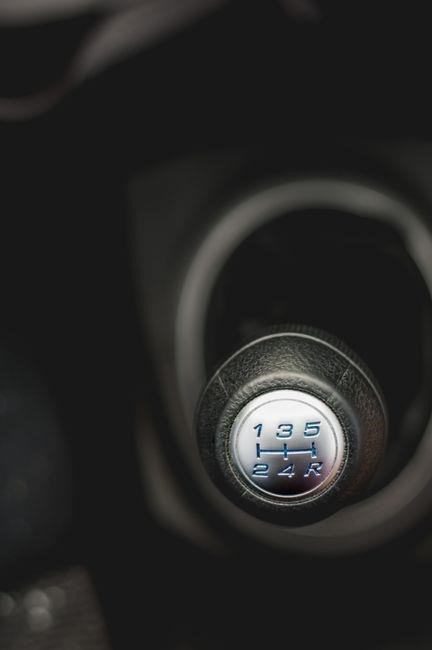
Popular UTV Models with Manual Transmissions
Polaris Ranger Crew XP‚ Yamaha Grizzly 700‚ Honda Pioneer 350 are top picks. They feature 2‑4‑speed manuals‚ offering precise control‚ better torque‚ and efficient off‑road performance. Ideal for trail racing‚ heavy hauling‚ and extreme terrain!!
Polaris Ranger Crew XP
The Polaris Ranger Crew XP stands out with its robust 2‑speed manual gearbox‚ delivering direct gear engagement for off‑road enthusiasts. Its 2‑speed design balances torque and top speed‚ allowing riders to tackle steep climbs and high‑speed descents efficiently. The gearbox’s short gear ratios provide instant acceleration‚ while the high‑speed gear keeps RPMs moderate on flat terrain. Built on a durable chassis‚ the Ranger Crew XP features a reinforced transmission housing that resists wear from rough trails. Maintenance is straightforward: regular gear oil changes and clutch inspection keep the system running smoothly. Riders appreciate the tactile feel of shifting‚ which enhances control during technical maneuvers. The manual transmission also improves fuel economy compared to automatic equivalents‚ as the driver can select the most efficient gear for each situation. Overall‚ the Polaris Ranger Crew XP’s manual gearbox offers a blend of performance‚ reliability‚ and driver engagement that appeals to both recreational and professional UTV users. Its manual gearbox also provides a satisfying shift feel that many riders find enhances the overall riding experience for terrains!!
Yamaha Grizzly 700
The Yamaha Grizzly 700 is celebrated for its dependable 3‑speed manual transmission‚ offering riders precise gear selection that enhances control across diverse terrains. Its compact gearbox is engineered for durability‚ featuring a reinforced housing and high‑strength gear teeth that withstand the rigors of off‑road use. The 3‑speed layout provides a low‑range gear for steep climbs and a high‑range gear for efficient cruising‚ while the middle gear balances the two for moderate slopes. Shifting is smooth‚ thanks to a well‑tuned clutch system that delivers crisp engagement without excessive drag. Maintenance is user‑friendly: routine oil changes‚ clutch inspection‚ and gear oil replacement keep the transmission in peak condition. The Grizzly 700’s manual gearbox also contributes to better fuel economy‚ as riders can select the most efficient gear for each load and terrain. Additionally‚ the tactile feel of manual shifting enhances the riding experience‚ giving operators instant feedback and a sense of mastery over the machine. Overall‚ the Grizzly 700’s manual transmission is a hallmark of Yamaha’s commitment to reliability‚ performance‚ and rider satisfaction‚ making it a favorite among both recreational and commercial operators. Its lightweight design also reduces overall vehicle weight‚ improving payload capacity and maneuverability in tight trails. Its reliability makes it a top choice for hobbyists and pros. daily.no
Honda Pioneer 350
The Honda Pioneer 350 is equipped with a robust 2‑speed manual gearbox that delivers precise torque control for both flat and rugged terrains. Its compact design integrates a short‑stroke clutch and a reinforced gear housing‚ ensuring longevity under heavy load conditions. The lower gear provides high torque for steep inclines‚ while the upper gear offers efficient cruising speeds‚ making the Pioneer ideal for both recreational trail riding and light commercial work. Shifting is straightforward‚ with a well‑tuned selector lever that offers crisp engagement and minimal slippage. Routine maintenance includes regular oil changes‚ clutch inspection‚ and gear oil replacement‚ all of which are straightforward for owners. The manual transmission also contributes to better fuel economy‚ as riders can choose the most efficient gear for each situation. Additionally‚ the tactile feedback from manual shifting enhances rider confidence and vehicle control‚ especially on uneven surfaces. Overall‚ the Pioneer 350’s manual gearbox exemplifies Honda’s reputation for durability‚ performance‚ and user‑friendly operation‚ making it a popular choice among UTV enthusiasts. Riders appreciate the tactile feel and precise control often.
Advantages of Manual Transmissions in UTVs
Manual UTV transmissions give riders direct gear control‚ enhancing torque management on rough terrain. They improve fuel efficiency‚ reduce engine wear‚ and offer a tactile riding experience that boosts confidence and safety. for riders!.
Better Control Over Gear Selection
Manual UTV transmissions grant riders precise gear selection‚ enabling optimal torque delivery across varied terrain. By shifting manually‚ operators can match engine speed to load‚ maintaining low RPMs on climbs and high RPMs on descents. This direct control reduces engine strain‚ improves fuel economy‚ and extends component life. Riders can anticipate traction changes‚ selecting lower gears before obstacles‚ and shift to higher gears when traction improves. The tactile feel of a clutch lever and gear stick fosters situational awareness‚ allowing quick responses to sudden terrain shifts. In competitive or work‑oriented UTV use‚ this control translates to better acceleration‚ smoother power delivery‚ and reduced risk of wheel spin. Additionally‚ manual systems often feature fewer electronic components‚ simplifying troubleshooting and maintenance. Overall‚ manual gear selection empowers riders to exploit the full potential of their UTV’s powertrain‚ enhancing both performance and reliability;
The manual gearbox’s simplicity reduces electronic failures‚ making troubleshooting faster. Riders can swap worn gears or clutch plates without special tools‚ keeping downtime low and performance stable once seasons.
Improved Efficiency on Rough Terrain
Manual transmissions allow riders to keep the engine in its optimal power band‚ especially on uneven ground. By selecting lower gears before a hill or rock‚ the UTV maintains torque without over‑revving‚ reducing fuel consumption and wear. Higher gears are engaged only when traction permits‚ preventing unnecessary engine load. This precise control lowers overall fuel usage‚ extending range for long‑haul work or recreational rides. Additionally‚ fewer electronic components mean less power draw from the battery‚ preserving battery life during extended off‑road sessions. The mechanical linkage also offers a lighter weight than complex automatic systems‚ improving payload capacity. Combined‚ these factors make manual UTVs more efficient on rough terrain‚ delivering better mileage and longer operational time between refueling or recharging; Riders often report that manual gear shifts feel more responsive‚ especially when navigating steep inclines or rocky outcrops. The tactile feedback from the clutch lever and gear stick provides immediate awareness of engine load‚ allowing for smoother transitions and reduced wear on drivetrain components. This synergy enhances ride quality!
Challenges and Maintenance of Manual Transmissions
Manual UTV transmissions demand regular clutch checks‚ gear oil changes‚ and careful shift timing. Neglect can cause gear wear‚ slipping‚ or failure. Routine inspections and proper lubrication keep reliability high. Keep it clean. and oil ! .
Common Issues and Their Fixes
Manual UTV gearboxes often suffer from clutch wear‚ gear slippage‚ and noisy shifting. A worn clutch can cause the engine to rev without moving the vehicle‚ while gear slippage may produce a sudden loss of power. Over‑lubrication or low oil can lead to overheating and premature bearing wear.
- Clutch Replacement: Inspect the clutch plate for wear; replace if the pedal feels spongy or the gear shift becomes sluggish.
- Gear Oil Change: Use the manufacturer’s recommended oil; change every 200–300 miles or after a hard off‑road session.
- Shift Linkage Adjustment: Tighten or replace worn linkages to ensure crisp gear engagement.
- Bearing Inspection: Replace any bearing that shows signs of metal shavings or excessive play.
- Cooling System Check: Verify that the transmission cooler is free of debris and the coolant level is adequate.
Routine maintenance‚ such as cleaning the gearbox housing and inspecting for metal shavings‚ can prevent many of these problems. Addressing issues promptly extends transmission life and keeps the UTV running smoothly.
Inspect the clutch plate for wear and replace it before it fails now.
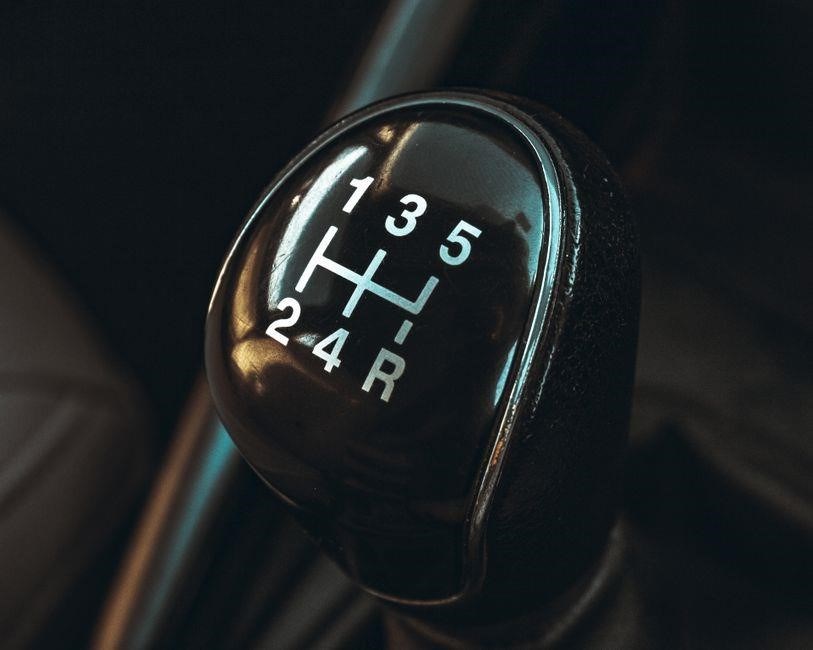
Routine Maintenance Tips
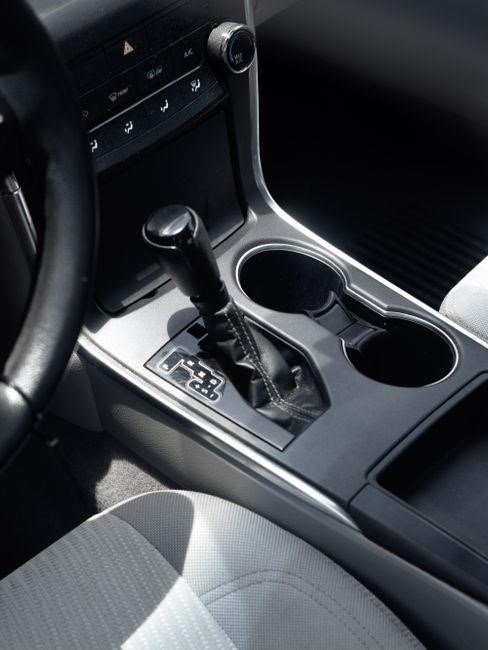
Manual UTV transmissions demand regular attention to keep gears shifting smoothly. Follow these steps to keep your gearbox in top shape:
- Check gear oil level every 100–150 miles; top up with the spec‑grade oil if below the minimum mark.
- Replace gear oil and filter after 300–500 miles or after heavy off‑road use to remove metal shavings.
- Inspect the clutch pedal for free play; adjust or replace the clutch plate if the pedal feels spongy.
- Clean the shift linkage and cables to prevent binding; lubricate with a high‑temperature grease.
- Verify that the transmission cooler is clear of debris; flush the cooling system if water temperature rises.
- Periodically inspect the gearbox housing for cracks or leaks; seal any small leaks with a compatible gasket sealant.
- When changing oil‚ use a filter that matches the manufacturer’s specifications to avoid contamination.
- After a hard session‚ let the UTV idle for 5–10 minutes to allow the oil to circulate before shifting gears.
Adhering to these routine checks extends gearbox life and ensures reliable performance in demanding terrains.
Keep logs!!!!