
Overview of NHS Self‑Certification and 2023 Updates
In April 2023‚ NHS England updated the provider licence‚ removing the need for trusts and foundation trusts to self‑certify under G6 and FT4. However‚ providers running a Commissioner‑Requested Service must still complete the 2023 Self‑Certification PDF. The form is freely downloadable from NHS England’s site The updated PDF adds fields for service on NHS Digital or NHS England sites download
Key Legislative Changes in April 2023
In April 2023‚ NHS England revised the provider licence framework‚ eliminating the mandatory self‑certification requirement for all NHS trusts and foundation trusts under the G6 and FT4 schemes. This legislative shift reflects a broader move toward streamlined compliance‚ reducing administrative burden while maintaining oversight through alternative reporting mechanisms. However‚ the update preserves the self‑certification obligation for providers operating a Commissioner‑Requested Service (CRS). Those services‚ which are commissioned by NHS England or NHS Digital‚ must continue to submit the updated 2023 Self‑Certification PDF to demonstrate ongoing compliance with quality‚ safety and governance standards. The new form includes additional fields for CRS designation‚ service scope and performance metrics‚ and requires electronic or handwritten signatures from the responsible manager. The change also introduces a digital submission pathway‚ allowing trusts to upload completed PDFs directly to the NHS Digital portal‚ thereby expediting the review process and ensuring real‑time auditability. Importantly‚ the legislation clarifies that the removal of G6/FT4 self‑certification does not affect other statutory obligations‚ such as the NHS Provider Licence Renewal‚ which remains mandatory every three years. Trusts must therefore remain vigilant about licence renewal deadlines while leveraging the simplified self‑certification process for non‑CRS services. Overall‚ the April 2023 updates aim to balance regulatory rigor with operational efficiency‚ ensuring

Accessing the 2023 Self‑Certification PDF Form
The 2023 Self‑Certification PDF is hosted on NHS England’s portal. Go to the Provider Licence page‚ click the Self‑Certification link‚ and download the 1.2 MB fillable file. Follow the embedded instructions for electronic or handwritten completion.

Official NHS England Download Links
To obtain the latest 2023 Self‑Certification PDF‚ navigate to the NHS England Provider Licence section on the official website. The direct download link is located under the “Self‑Certification” heading and points to a 1.2 MB fillable PDF titled “NHS Self‑Certification Form – 2023”. Clicking the link opens the document in your browser‚ where you can save it locally or print it immediately. For users who prefer a pre‑formatted version‚ NHS England also offers a compressed ZIP archive containing the PDF and a short user guide in PDF format. Both resources are freely available to NHS foundation trusts‚ NHS trusts‚ and any provider running a Commissioner‑Requested Service. The download page includes a brief description of the form’s purpose‚ the updated legislative context‚ and a reminder that the form must be signed by an authorised representative before submission. If you encounter any issues accessing the link‚ the NHS Digital Helpdesk provides a dedicated support channel for download assistance.
For convenience‚ NHS England also offers a QR code on the download page that links directly to the PDF. The PDF is optimized for both desktop and mobile browsers‚ ensuring all form fields remain accessible. The download page also provides a brief troubleshooting guide covering common issues such as missing fields and PDF viewer compatibility. If you need further assistance‚ contact the NHS Digital Helpdesk via email at helpdesk@nhs.net or call 0300 123 4567 during business hours!!!

Understanding the Form Layout and Fields
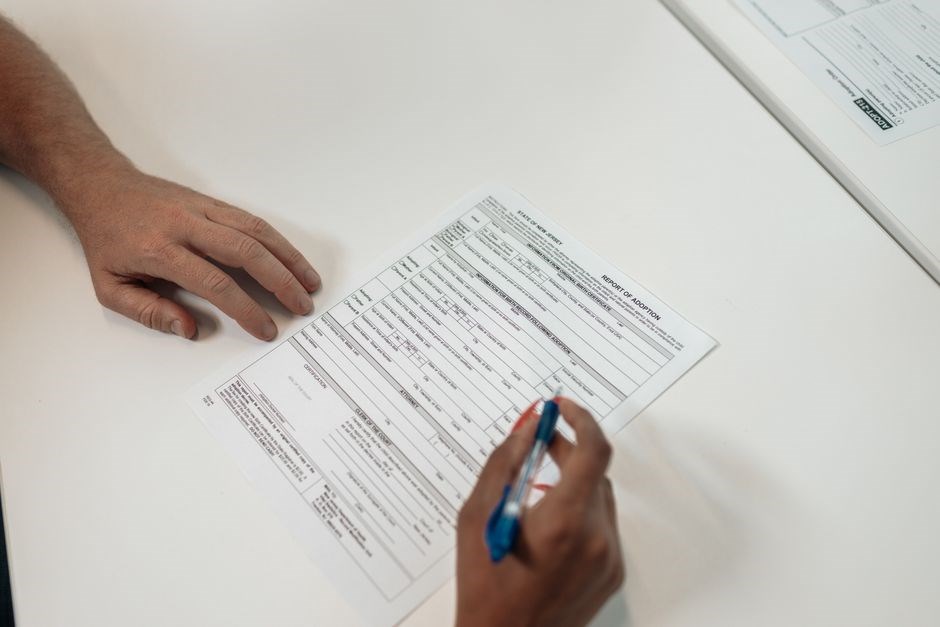
The 2023 Self‑Certification PDF has three sections: provider details‚ service description‚ and signature. Provider section asks for name‚ address‚ licence number; Service section requests designated service‚ location‚ and commissioning body. Signature block requires signatory name‚ title‚ and date.now
The 2023 NHS Self‑Certification PDF requires providers to supply key details before signing. In the provider section‚ you must enter the organisation’s name‚ registered address‚ and the NHS provider licence number. The service section asks for the designation of the service (e.g.‚ a Commissioner‑Requested Service)‚ the physical location where the service is delivered‚ and the commissioning body responsible for the service. If the provider is a foundation trust or NHS trust that no longer needs to self‑certify under G6 or FT4‚ the form still applies only if a Commissioner‑Requested Service is offered. The signature block at the bottom of the form captures the signatory’s full name‚ official title‚ and the date of signature. The date should be written in DD/MM/YYYY format and the signatory must be an authorised person‚ usually a senior manager or director. The form is fully fillable; tools such as CocoDoc‚ pdfFiller‚ airSlate SignNow‚ and DocHub allow you to edit the fields directly‚ add electronic signatures‚ and download or print the completed PDF for submission. If you choose to sign electronically‚ the signature field will accept a typed name or a scanned image. Carefully review each field to avoid errors and ensure compliance with the updated licence requirements. The completed form must be submitted within 30 days of the service start date‚ will result in a delayed or rejected submission!! The form also includes a field for the provider’s unique identifier‚ which must match the one on file with NHS Digital.

Digital Completion of the PDF
Digital completion of the NHS Self‑Certification PDF can be achieved using free online tools such as CocoDoc‚ pdfFiller‚ airSlate SignNow‚ or DocHub. These platforms allow you to fill in all required fields‚ add electronic signatures‚ and download the final PDF for printing or electronic submission.!
Using Fillable Templates and PDF Editing Tools

To simplify filling the NHS Self‑Certification PDF‚ start with the official blank form from NHS England. If the file isn’t already interactive‚ convert it using free online editors such as pdfFiller‚ DocHub‚ or Adobe Acrobat DC. These tools let you add text fields‚ checkboxes‚ and a digital signature block‚ ensuring every required entry is present and correctly aligned.
When working with a fillable template‚ double‑check that the service designation‚ provider licence number‚ and contact details match the latest licence update. The April 2023 revision removed G6 and FT4 obligations for most trusts‚ but any Commissioner‑Requested Service must still provide accurate data. A digital signature compliant with NHS standards can replace a physical one‚ speeding up the process.
For offline completion‚ Adobe Acrobat Reader DC’s “Fill & Sign” feature allows typing directly into the PDF and adding a handwritten signature via a stylus or mouse‚ and export the final file. Alternatively‚ the open‑source LibreOffice Draw tool can open PDF files and add form fields‚ though it requires a bit more technical skill. Whichever tool you choose‚ ensure that the final PDF is saved in a non‑editable format (e.g.‚ flattened PDF) before submission to prevent accidental changes.
Remember to keep a PDF copy of the signed form for your records‚ and verify that the digital signature is accepted by the receiving system. If you encounter any issues contact NHS Digital support for guidance.

Printing and Submitting the Completed Form
Print the completed NHS Self‑Certification PDF using a high‑quality printer set to 300 dpi. Use black ink and ensure the signature block is legible. Scan the printed page if required‚ then upload the PDF to the NHS Digital portal or email it to the designated trust contact. Keep a copy for records.
Recommended Printing Settings and Submission Methods
When printing the NHS Self‑Certification PDF‚ set the printer to high‑resolution mode (minimum 300 dpi) and use a standard A4 sheet to preserve layout. Select black or dark‑colour ink to ensure the signature block remains legible after scanning. Avoid colour or draft modes‚ which can blur fine lines. If the form contains multiple pages‚ print each page in order and double‑check that page numbers match the original sequence. After printing‚ sign the document with a blue or black ball‑point pen in the designated signature area; do not use a stylus or digital signatures unless the trust explicitly accepts electronic signatures. If you need to submit the form electronically‚ scan the signed pages with a flat‑bed scanner or a mobile scanning app‚ saving the image as a single PDF file. Ensure the scan is clear and the signature is visible; a resolution of at least 300 dpi is recommended. Upload the PDF to the NHS Digital portal under the “Self‑Certification” section‚ or email it to the trust’s designated contact address provided in the guidance. Retain a copy of the signed and scanned form for your records‚ and confirm receipt with the trust if required. Following these steps will help prevent processing delays and reduce the risk of the form being rejected due to poor print quality or missing signatures. For any questions‚ contact the NHS Digital support team via email at support@nhs.net or call 0300 123 4567. All submissions must be completed by the deadline specified in the trust’s notice to avoid delays in service delivery!

Troubleshooting Common Issues
Common issues: missing fields‚ PDF readers‚ or unclear signatures. Use Adobe Acrobat Reader DC or Foxit Reader to view all fields. If fields are hidden‚ enable “Show All Fields.” Print in high‑resolution mode and sign with a dark pen. Re‑download if corrupted!
Resolving Missing Fields and Compatibility Problems
When the 2023 NHS Self‑Certification PDF appears incomplete‚ the first step is to confirm you are using a fully‑featured PDF reader. The NHS form is built with AcroForms and requires JavaScript support. If you open it in a lightweight viewer such as the default Windows Preview or a browser’s built‑in PDF viewer‚ many form fields will be invisible or uneditable. Switching to Adobe Acrobat Reader DC‚ Foxit Reader‚ or PDF‑XChange Editor restores full functionality. If fields still do not show‚ the document may be corrupted or partially downloaded. Re‑download the file from the official NHS England link‚ verify the file size matches the published value‚ and open it again. For users on macOS‚ the Preview app often strips form fields; use Adobe Reader for Mac or the free PDF Expert to view and fill the form. In rare cases‚ the PDF may have been saved in a flattened state. To recover‚ open the file in a PDF editor‚ choose “Edit PDF” or “Prepare Form‚” and then re‑enable form fields. If the form remains unresponsive‚ try opening it in a different operating system or a virtual machine with a fresh installation of a PDF reader. Finally‚ if you encounter a “Missing JavaScript” warning‚ install the latest JavaScript runtime for your PDF viewer or enable the “Enable JavaScript” option in the viewer’s preferences. Once all fields are visible‚ you can fill out the required information‚ sign electronically using a digital signature or a scanned image‚ and then save the completed form. For further assistance‚ contact the NHS Digital support team or your local NHS Trust’s IT help desk. They can provide the latest version of the form and troubleshoot any software‑specific issues. Additionally‚ if you are using a mobile device‚ download the dedicated NHS app or use the mobile‑friendly PDF viewer on your phone. Some mobile browsers strip form fields due to security restrictions. Ensure you have the latest OS update and that the PDF viewer app is up to date. When printing the completed form‚ use the “Print as Image” option if the printer does not support PDF form printing‚ to preserve the layout. If you need to submit the form electronically‚ attach the PDF to the NHS Digital portal or email it to the designated trust email address. Always keep a backup copy on a secure cloud drive or external USB. If you encounter any error messages such as “File is corrupted” or “Unsupported PDF version‚” contact the NHS Digital help desk for a fresh copy or guidance on converting the PDF to a compatible format using tools like Ghostscript. By following these steps‚ you can reliably resolve missing fields and compatibility problems and complete the NHS Self‑Certification process smoothly.

Additional Resources and Support Contacts
For guidance‚ visit NHS England’s Self‑Certification page (https://www.england.nhs.uk/). Email support@nhsengland.nhs.uk or call 03000 123 456. NHS Digital helpdesk (https://digital.nhs.uk) offers live chat and FAQs; Trusts can also contact their local IT liaison for PDF help. For queries now‚ chat NHS.
Official Guidance and Contact Points for NHS Trusts
For NHS trusts seeking the 2023 Self‑Certification PDF‚ the primary reference is the NHS England guidance document released in April 2023. This PDF‚ available through the official NHS England website‚ includes step‑by‑step instructions‚ required fields‚ and signature protocols. Trusts should download the form from the dedicated Self‑Certification page (https://www.england.nhs.uk/). Once downloaded‚ the form can be completed electronically using Adobe Acrobat Reader or other PDF editors that support form fields. If a trust encounters technical difficulties‚ the NHS Digital helpdesk offers real‑time support via live chat‚ email (support@nhsdigital.nhs.uk)‚ and a toll‑free number (03000 123 456). For compliance questions‚ the NHS England Trusts and Foundations team can be contacted at trusts@nhsengland.nhs.uk or by calling 03000 123 456. Additionally‚ the NHS Trusts have an internal compliance officer who coordinates self‑certification submissions; contact details are usually listed on the Trust’s website under the “Governance” or “Compliance” sections. Finally‚ the NHS England Trusts and Foundations guidance PDF includes a “Contact” appendix with specific email addresses for the Trusts and Foundations team‚ the Digital Service Delivery team‚ and the Regulatory Affairs office. These resources ensure that trusts can locate the correct form‚ complete it accurately‚ and submit it within the required timeframe. Contact your local compliance officer for help. immediately!!