
Prioritizing safety, a 3-in-1 car seat evolves with your child, offering rear-facing, forward-facing, and booster modes—essential for comprehensive protection during every journey.
What is a 3-in-1 Car Seat?
A 3-in-1 car seat is a versatile child restraint system designed to adapt as your child grows, offering three distinct stages of protection within a single unit. Initially, it functions as a rear-facing infant car seat, crucial for newborns and young toddlers. Subsequently, it transitions into a forward-facing seat with a five-point harness, accommodating older toddlers and preschoolers.
Finally, it converts into a belt-positioning booster seat, suitable for school-aged children until they are large enough to safely use the vehicle’s seat belt alone. This eliminates the need to purchase multiple car seats, providing long-term value and convenience for parents.
Importance of Correct Installation & Usage
Proper installation and consistent, correct usage are paramount for a 3-in-1 car seat’s effectiveness. A loosely installed seat, or improper harness positioning, significantly reduces its protective capabilities during a crash. Following the manufacturer’s instructions meticulously, and verifying a snug fit—limiting movement beyond one inch—is vital.
Regularly checking the harness tightness and ensuring it’s at the appropriate height for your child are also crucial. Prioritizing these steps maximizes safety and minimizes the risk of injury.

Understanding Car Seat Safety Standards
Rigorous standards, like FMVSS 213, ensure 3-in-1 car seats meet federal safety requirements, protecting children through crash testing and performance criteria.
Federal Motor Vehicle Safety Standards (FMVSS) 213
FMVSS 213 is the cornerstone of car seat safety in the United States, outlining performance requirements for child restraint systems. This standard dictates how car seats must perform in crash tests, evaluating factors like impact absorption and restraint integrity. It covers various testing scenarios, including frontal and side-impact collisions, ensuring 3-in-1 car seats provide adequate protection across different crash types.
Manufacturers must demonstrate compliance with FMVSS 213 before a car seat can be legally sold. The standard is periodically updated to reflect advancements in safety technology and research, continually raising the bar for child passenger safety.
NHTSA (National Highway Traffic Safety Administration) Ratings
NHTSA provides valuable information to consumers through its car seat ratings and ease-of-use assessments. While NHTSA doesn’t “approve” car seats, it conducts testing and publishes ratings based on how well a seat performs in crash tests, going beyond the minimum FMVSS 213 requirements.
These ratings help parents make informed decisions. NHTSA also evaluates how easily a car seat can be installed correctly, recognizing that proper installation is crucial for safety. Checking NHTSA’s website for ratings is a smart step when selecting a 3-in-1 car seat.
Expiration Dates & Recalls
Car seats, including 3-in-1 models, have expiration dates, typically six to ten years from the date of manufacture. Plastic degrades over time, potentially compromising safety. Always check the date on the seat itself! Manufacturers also issue recalls for safety defects.
Registering your Safety First car seat allows the manufacturer to notify you directly of any recalls. Regularly check the NHTSA website for updated recall information to ensure your child’s seat remains safe and compliant with current standards.
Installation: Rear-Facing Mode
Secure rear-facing installation is crucial; utilize either the LATCH system or the vehicle’s seat belt, ensuring a snug fit and proper recline angle for optimal safety.
Proper Recline Angle
Maintaining the correct recline angle is paramount for a rear-facing car seat, safeguarding your child’s airway. Refer to your Safety 1st manual for specific angle indicators – often a line or adjustment feature. An insufficient recline can cause the head to flop forward during a crash, potentially compromising breathing. Conversely, too steep an angle might not provide adequate side impact protection. Regularly check and adjust the recline as your child grows, ensuring it remains within the manufacturer’s recommended range for optimal safety and comfort throughout each stage.
LATCH System vs. Seat Belt Installation
Both the LATCH system (Lower Anchors and Tethers for Children) and vehicle seat belts offer secure car seat installation methods. LATCH provides convenience, while seat belt installation is universally available in all vehicles. The Safety 1st manual details specific instructions for each method. Ensure either method achieves a rigid installation – minimal side-to-side or front-to-back movement (less than one inch). Never use both simultaneously unless explicitly permitted by both the car seat and vehicle manuals, prioritizing a secure and stable fit for your child’s safety.
Checking for Tightness & Movement
A properly installed car seat shouldn’t move more than one inch side-to-side or front-to-back when tested at the belt path. The Safety 1st manual emphasizes this crucial check. Firmly grasp the seat near the belt path and attempt to move it; If excessive movement exists, retighten the LATCH straps or vehicle seat belt. Regularly re-check tightness, especially after vehicle use or adjustments, ensuring consistent protection. Prioritize a secure fit to minimize risk during potential impacts, safeguarding your child’s wellbeing.
Installation: Forward-Facing Mode
Transitioning to forward-facing requires secure top tether attachment, proper harness adjustment, and a re-check of the entire installation for optimal safety.
Top Tether Usage
Utilizing the top tether is crucial when installing a car seat in forward-facing mode; it significantly reduces head excursion during a crash, minimizing the risk of injury. Locate the vehicle’s tether anchor point – consult your vehicle manual for its precise location. Attach the tether strap securely, ensuring it’s snug but not overly tightened. A properly used tether limits forward movement, enhancing the car seat’s performance and providing an extra layer of protection for your child. Always verify the tether is correctly engaged before each trip.
Adjusting Harness Height
Regularly adjusting the harness height is vital as your child grows, ensuring optimal safety and comfort. The harness slots should be at or slightly below your child’s shoulders when rear-facing, and at or above their shoulders when forward-facing. Re-thread the harness straps through the appropriate slots, confirming a secure fit. A correctly positioned harness maximizes crash protection, preventing your child from slipping or being ejected during a collision. Always double-check the adjustment before each journey.
Re-Checking Installation
After initial installation, and after any adjustments, rigorously re-check the car seat’s security. Confirm it doesn’t move more than one inch side-to-side or front-to-back at the belt path. Ensure the top tether (when used) is taut and properly connected. Verify the harness is snugly fitted and correctly routed. Consistent re-checking guarantees continued protection, as car seats can loosen over time or with vehicle movement, safeguarding your child on every trip.
Installation: Booster Mode
Booster seats correctly position the vehicle’s seat belt across your child, ensuring optimal restraint and protection as they grow and develop.
Positioning the Seat Belt
Proper seat belt placement is crucial in booster mode; the lap belt should lie snugly across the upper thighs, not the stomach, and the shoulder belt crosses the middle of the shoulder and chest. Avoid allowing the belt to cut into the neck or slide off the shoulder. Regularly check and adjust the belt path as your child grows, ensuring a secure and comfortable fit throughout each ride. Incorrect positioning significantly reduces the car seat’s protective capabilities, increasing the risk of injury during a collision. Always refer to the car seat and vehicle manuals for specific guidance.
High-Back vs. Backless Booster
Choosing between a high-back and backless booster depends on your vehicle. High-back boosters offer better head and neck support, particularly in cars lacking headrests. Backless boosters are convenient and portable, suitable for vehicles with adequate head support. Ensure the booster fits your child’s size and the vehicle’s seat. Always prioritize a secure fit and proper seat belt positioning, regardless of the booster type. Transitioning too early from a harnessed seat to a booster can compromise safety.
Proper Fit of the Seat Belt
Ensuring a correct seat belt fit is crucial in booster mode. The lap belt should lie snugly across the upper thighs, not the stomach. The shoulder belt must cross the middle of the shoulder and chest, avoiding the neck or face. Never place the shoulder belt behind the back. Adjust the vehicle’s seat and booster position for optimal fit. A poorly fitted seat belt significantly reduces protection in a crash, increasing injury risk.

Harness System & Adjustments
Proper harness adjustments are vital for a secure fit, ensuring the child is protected during travel—adjust height and tightness regularly for optimal safety.
Harness Height Adjustment
Adjusting the harness height is crucial as your child grows, ensuring proper shoulder positioning for optimal impact absorption during a crash. The harness slots should be at or slightly below your child’s shoulders when rear-facing, and at or above their shoulders when forward-facing. Regularly check and adjust the harness height to maintain this correct positioning. Incorrect height can compromise the car seat’s protective capabilities, potentially leading to injuries. Refer to your Safety 1st car seat manual for specific instructions and illustrations related to your model, as adjustment mechanisms can vary.
Buckle & Chest Clip Placement
Proper buckle and chest clip placement is vital for securing your child effectively. The buckle should click securely, and the chest clip must be positioned at armpit level – this helps keep the harness straps correctly positioned on your child’s shoulders during a collision. Never adjust the chest clip lower than armpit level, as it could increase the risk of injury. Always double-check that both sides of the harness are snug and the buckle is locked, referencing your Safety 1st manual for specific guidance.
Tightening & Loosening the Harness
Adjusting the harness correctly ensures optimal safety. To tighten, pull the strap at the shoulder area until it’s snug – you shouldn’t be able to pinch any excess webbing at the shoulder. To loosen, locate the release mechanism, typically a red button, and gently pull the strap. Always re-check tightness after adjustments, ensuring a secure fit. Refer to your Safety 1st manual for specific tightening and loosening instructions, as mechanisms can vary between models, guaranteeing a secure and comfortable ride.
Common Installation Errors
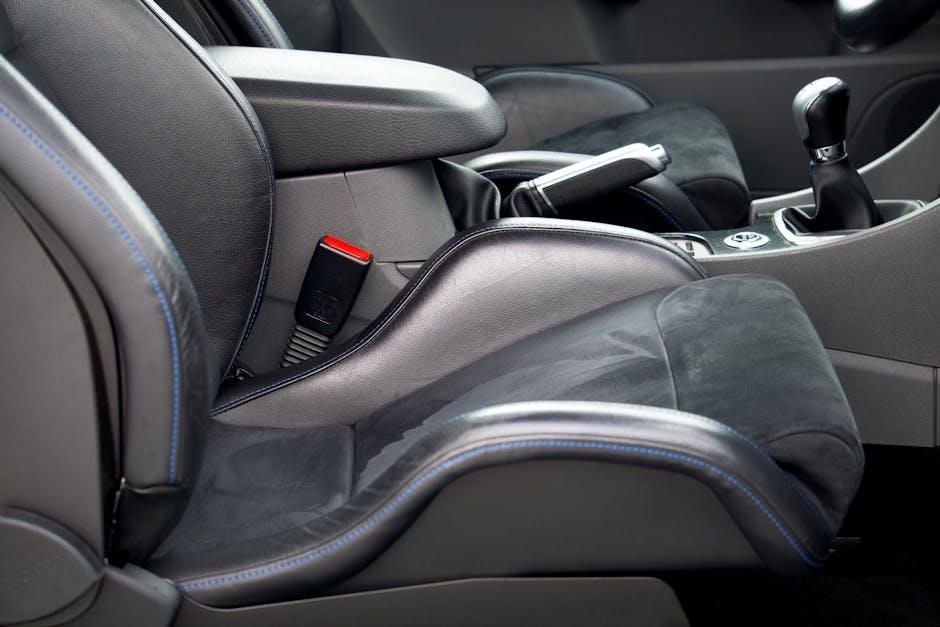
Frequent mistakes include loose installations, incorrect recline angles, and improper harness routing—compromising safety. Always double-check each step against the manual’s guidance.
Loose Installation
A car seat shouldn’t move more than one inch side-to-side or front-to-back when tested at the belt path. This is a critical error, drastically reducing the seat’s protective capabilities in a crash. Ensure a snug fit, utilizing either the LATCH system or the vehicle’s seat belt, tightening until firmly secured. Regularly re-check tightness, as belts can loosen with vehicle movement. Remember, a properly installed seat is foundational to child passenger safety, and a loose seat offers minimal protection.
Incorrect Recline Angle
Maintaining the correct recline angle is vital, especially for rear-facing infants. Too upright, and the head can flop forward during a crash, compromising airway protection. Too reclined, and the child may not be adequately supported; Consult your car seat manual for specific angle indicators and adjustments. Many seats have built-in level indicators; ensure it shows proper positioning. A correct angle supports the child’s head and neck, maximizing safety during impact.
Improper Harness Routing
Correct harness routing is paramount for effective crash protection. The harness straps must pass through the designated slots at or above the child’s shoulders in forward-facing mode, and at or below in rear-facing. Never reroute the harness through different slots. Incorrect routing compromises the seat’s ability to distribute crash forces. Always double-check that straps aren’t twisted and lie flat against the child’s body, ensuring optimal safety and restraint.

Cleaning & Maintenance
Regular cleaning and inspection maintain a safe car seat; promptly address damage, and always follow the manufacturer’s guidelines for cleaning solutions.
Cleaning the Car Seat Cover
To effectively clean the car seat cover, detach it following the manual’s instructions, if possible. Use mild soap and warm water, gently scrubbing away spills and stains with a soft cloth. Avoid harsh chemicals or bleach, as these can damage the fabric and compromise safety. Rinse thoroughly to remove all soap residue, and allow the cover to air dry completely before reattaching it to the car seat base. Never place the car seat cover in a washing machine or dryer unless specifically permitted by the manufacturer, as this could alter its fit and affect its protective capabilities.
Inspecting for Damage
Regularly inspect your 3-in-1 car seat for any signs of damage, including cracks in the plastic shell, frayed harness straps, or loose buckles. Check the LATCH connectors and belt paths for wear and tear. If you notice any damage, discontinue use immediately and contact the manufacturer for guidance. Even seemingly minor damage can compromise the car seat’s ability to protect your child in a crash, so prioritize a thorough inspection before each use to ensure continued safety.
Replacing Damaged Parts
Never attempt to repair a damaged car seat yourself; always contact the manufacturer for replacement parts. Using non-approved parts can severely compromise safety. Safety First provides specific replacement components for their 3-in-1 models. Damaged harnesses, buckles, or shells must be replaced by the manufacturer or an authorized technician. Do not use the car seat until the damaged part is professionally replaced, ensuring your child’s continued protection during travel. Prioritize genuine parts for optimal safety.
Car Seat Safety & Travel
When traveling, ensure the car seat is properly installed in each vehicle and remains secure throughout the journey for consistent safety.
Traveling with a Car Seat (Airplanes)
Before flying, confirm with the airline regarding car seat usage and FAA approval; most airlines permit approved car seats on board. Ensure the car seat is appropriately labeled for aircraft use. Proper installation is crucial – follow the airline’s guidelines, often involving securing it with the aircraft’s seat belt.
Remember that car seats can provide a familiar and safe space for young travelers. However, turbulence can occur, so always keep the child securely harnessed. Consider a travel bag for easy transport and protection against damage during transit.
Used Car Seats: Safety Considerations
Exercising caution with used car seats is paramount; avoid seats with unknown history, recalls, or visible damage. You must verify the seat hasn’t been involved in a crash, as structural integrity may be compromised. Ensure all components – harness, buckle, and shell – are present and functioning correctly.
Crucially, confirm the seat isn’t expired, as plastic degrades over time. Refer to the manufacturer’s manual for specific guidelines and expiration dates. Prioritize a new car seat whenever possible for guaranteed safety standards.
Winter Car Seat Safety (Bulky Clothing)
Avoid using bulky coats or snowsuits under the harness, as they compress in a crash, creating excessive slack and reducing the car seat’s protective capabilities. Instead, dress your child in layers and secure the harness snugly over clothing.
Consider using a car seat-safe blanket over the secured harness for added warmth. Regularly check harness tightness to ensure a secure fit throughout the winter months, prioritizing safety above comfort.
Resources & Further Information
Explore NHTSA’s website for recalls, ratings, and guidance; locate inspection stations for professional checks; and contact manufacturers for support.
NHTSA Website
The National Highway Traffic Safety Administration (NHTSA) website (nhtsa.gov) is a crucial resource for car seat safety information. It provides access to vehicle safety recalls, including those affecting car seats, and allows you to search for information specific to your ‘Safety 1st’ 3-in-1 model. You can find detailed guidance on proper installation, usage instructions, and the latest safety standards.
Furthermore, NHTSA offers a car seat inspection station locator, helping you find certified technicians to verify your installation. The site also features easy-to-understand videos and articles covering various car seat topics, ensuring parents and caregivers have the knowledge to protect their children effectively.
Car Seat Inspection Stations
Locating a certified Child Passenger Safety Technician (CPST) is vital for ensuring correct installation of your ‘Safety 1st’ 3-in-1 car seat. NHTSA maintains a directory of inspection stations where trained professionals can assess your installation and offer guidance. These stations provide hands-on assistance, verifying proper recline angles, harness adjustments, and LATCH system or seat belt usage.
Utilizing this service minimizes the risk of common installation errors, maximizing your child’s protection. Find a station near you through the NHTSA website or Safe Kids Worldwide, guaranteeing peace of mind on every drive.
Manufacturer Contact Information
For specific questions regarding your ‘Safety 1st’ 3-in-1 car seat, direct contact with the manufacturer is crucial. Their customer service representatives can provide detailed guidance on model-specific features, troubleshooting installation issues, and understanding the car seat’s manual.
Visit the Safety 1st website or locate their contact number within the product documentation; Retaining this information ensures easy access to support, replacement parts, or recall notifications, safeguarding your child’s well-being.

State-Specific Car Seat Laws
Adhering to local regulations is vital; car seat laws vary by state, dictating age, weight, and mode requirements for optimal child passenger safety.
Overview of State Regulations
State car seat laws establish minimum standards for child passenger safety, often exceeding federal requirements. These regulations typically specify age, weight, and height thresholds for each car seat mode – rear-facing, forward-facing with harness, and booster seat usage. Many states mandate rear-facing until at least age two, while others extend this to age four or based on specific developmental milestones. Booster seat laws vary significantly, with some requiring them until age eight or until the child meets height and weight criteria. Understanding these nuances is crucial for legal compliance and, more importantly, ensuring your child’s protection on every trip.
Finding Your State’s Laws
Locating specific car seat regulations for your state is readily achievable through several reliable resources; The National Highway Traffic Safety Administration (NHTSA) website offers a comprehensive directory linking to each state’s official child passenger safety laws. Additionally, state departments of transportation or public safety typically provide detailed information online. Local resources, such as certified Child Passenger Safety Technicians (CPSTs), can also offer guidance and clarification on current state requirements, ensuring you remain fully informed and compliant.

Occupational Safety and Health Administration (OSHA) Relevance
OSHA supports workplace wellness, potentially including car seat safety checks as part of broader safety programs, emphasizing product safety standards and worker protection.
Workplace Safety Programs & Car Seat Checks
Integrating car seat safety into workplace wellness initiatives demonstrates a commitment to employee well-being extending beyond the job site. Companies can host educational sessions or partner with certified Child Passenger Safety Technicians (CPSTs) to offer installation checks for employees.
These programs align with OSHA’s emphasis on preventative measures and hazard identification, fostering a culture of safety. Providing resources and support for proper car seat usage showcases a dedication to protecting employees and their families, ultimately reducing potential risks and promoting responsible practices.
OSHA’s Role in Product Safety
While OSHA doesn’t directly regulate car seat manufacturing, its broader mission encompasses ensuring product safety impacting worker well-being. This includes investigating workplace incidents involving car seat-related injuries during transport of children, or within company vehicles.
OSHA’s standards for hazard communication and personal protective equipment indirectly support car seat safety by promoting awareness and responsible practices. They also reinforce the importance of following manufacturer guidelines and recalls, contributing to a safer environment for all.