
The Cultural Impact and Initial Reception
Upon release, the novel sparked immediate enthusiasm, captivating young readers and quickly becoming a cultural phenomenon․ Early reviews praised its imaginative world-building and compelling narrative․
Scope of this Analysis: Beyond the Surface
This exploration delves into the novel’s intricate layers, examining themes, symbolism, and narrative techniques․ We will move past plot summary to uncover deeper meanings within the text․
Part 1: Establishing the Magical World
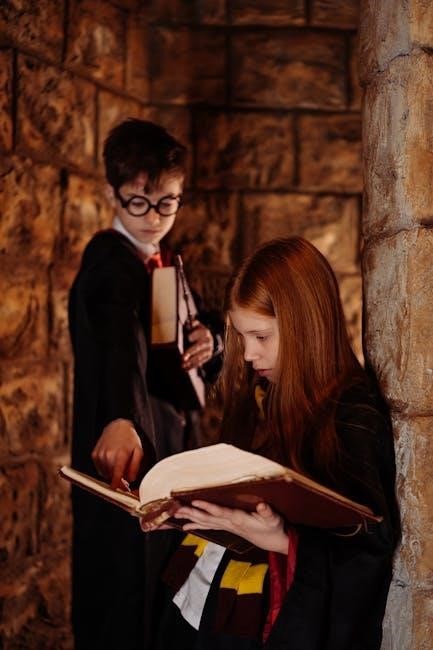
J․K․ Rowling’s masterful creation begins with a deliberate contrast – the stark, mundane reality of the Dursleys’ world versus the burgeoning, hidden realm of magic․ This initial juxtaposition is crucial, immediately signaling to the reader that something extraordinary lies beneath the surface of everyday life;
The early chapters meticulously build this magical world, not through exposition, but through immersion․ We are introduced to Diagon Alley, a vibrant and bustling hub of wizarding commerce, and Hogwarts School of Witchcraft and Wizardry, a majestic castle steeped in history and wonder․
Rowling’s world-building isn’t simply about fantastical elements; it’s about creating a fully realized society with its own rules, customs, and economy․ This detailed construction is fundamental to the novel’s success, allowing readers to suspend disbelief and fully invest in Harry’s journey․ The foundation laid in these initial sections is essential for everything that follows․
The Dursleys and the Mundane World
The opening chapters introduce the Dursleys – Vernon, Petunia, and Dudley – as a deliberately unpleasant and ordinary family․ Rowling establishes them as a foil to the magical world Harry is about to enter, emphasizing the stark contrast between the two realities․ Their narrow-mindedness, materialism, and general unkindness serve to highlight the warmth and acceptance Harry will eventually find at Hogwarts․
This depiction isn’t merely about creating unlikeable characters; it’s a symbolic representation of the mundane world’s rejection of anything different or extraordinary․ The Dursleys’ fear and disdain for magic reflect a broader societal tendency to suppress imagination and individuality․
Harry’s mistreatment at their hands establishes a sense of injustice and fuels the reader’s empathy for him․ Their world, characterized by strict rules and stifling conformity, is presented as a prison from which Harry desperately needs to escape, making his discovery of his magical heritage all the more liberating․
Hogwarts: A Sanctuary of Learning
Hogwarts School of Witchcraft and Wizardry is presented not just as a school, but as a haven – a place of belonging and acceptance for those with magical abilities․ Its ancient castle setting, filled with secret passages, talking portraits, and enchanted objects, immediately establishes a sense of wonder and possibility․ The school’s very architecture embodies a history steeped in magic and tradition․
The four Houses – Gryffindor, Hufflepuff, Ravenclaw, and Slytherin – each represent distinct values and contribute to the school’s diverse community․ Hogwarts fosters a learning environment that encourages exploration, curiosity, and the development of individual talents․ Professor Dumbledore’s leadership emphasizes wisdom, tolerance, and the importance of fighting for what is right․

Beyond academics, Hogwarts provides a safe space for students to discover their identities and forge lasting friendships․ It’s a place where being different is celebrated, and where students are empowered to embrace their magical potential, shielded from the prejudice of the Muggle world․
Diagon Alley vividly portrays a hidden economic system, complete with Gringotts bank, Ollivander’s wands, and Flourish and Blotts bookstore – a bustling magical marketplace․
This section delves into the foundational characters that drive the narrative of Harry Potter and the Sorcerer’s Stone․ We meet Harry, an orphaned boy thrust into a world he never knew, and witness his initial bewilderment and burgeoning courage․
Crucially, the introduction of Ron Weasley and Hermione Granger establishes the core trio․ Ron, with his unwavering loyalty and comedic relief, provides a grounding presence․ Hermione, the exceptionally bright and determined witch, offers intellectual strength and a dedication to rules – often challenging Harry and Ron’s impulsiveness․
The dynamic between these three is immediately apparent, a blend of contrasting personalities that ultimately complement each other․ Their initial interactions, marked by both friction and budding friendship, lay the groundwork for a powerful bond forged through shared experiences and mutual respect․ This trio’s relationship isn’t simply about companionship; it’s about the power of diverse strengths uniting against a common threat, a theme central to the entire series․
Harry Potter: The Boy Who Lived
Harry’s introduction is steeped in mystery and hardship․ Living a neglected existence with the Dursleys, he’s presented as an ordinary boy unaware of his extraordinary past․ This stark contrast – the mundane versus the magical – immediately captivates the reader and establishes a core theme of hidden potential․
The revelation of his parent’s death and his survival of Voldemort’s attack, earning him the moniker “The Boy Who Lived,” fundamentally alters his perception of himself and the world․ This inherited trauma and the weight of expectation become defining characteristics․
Throughout the initial chapters, Harry grapples with understanding his newfound identity․ His inherent goodness, bravery, and a natural aptitude for magic begin to surface, even before formal training․ He’s not presented as a perfect hero, but as a vulnerable child burdened with a destiny he doesn’t fully comprehend, making his journey all the more compelling and relatable․ His initial innocence is key to his appeal․
Ron Weasley: Loyalty and Humor
Ron Weasley’s character provides crucial balance to Harry’s narrative․ Introduced as a somewhat insecure and overshadowed member of a large, loving, but financially strained family, he immediately establishes a relatable vulnerability․ His initial awkwardness and self-doubt resonate with readers, making him instantly sympathetic․
However, Ron’s defining traits are his unwavering loyalty and quick wit․ He consistently demonstrates a willingness to stand by Harry, even in the face of danger, and his humor serves as a vital counterpoint to the more serious elements of the story․ He’s not afraid to voice his anxieties or offer a sarcastic remark, providing much-needed levity․
His insecurities, stemming from feeling less accomplished than his siblings, are realistically portrayed and contribute to his growth throughout the novel․ Ron’s friendship with Harry isn’t based on admiration, but on genuine connection and mutual support, forming the bedrock of their enduring trio․
Hermione Granger: Intelligence and Determination
Hermione Granger is presented as exceptionally bright and academically driven, often perceived initially as a know-it-all․ Her dedication to learning and mastery of spells is unparalleled, providing crucial assistance to Harry and Ron throughout their adventures․ She embodies the power of knowledge and diligent study within the wizarding world․
However, Hermione’s character arc extends beyond mere intellect․ She grapples with social awkwardness and a desire for acceptance, initially struggling to form genuine connections․ Her unwavering determination isn’t limited to academics; she fiercely advocates for justice and the rights of marginalized creatures, demonstrating a strong moral compass․
Throughout the novel, Hermione learns the importance of balancing book knowledge with practical application and the value of friendship․ She evolves from a somewhat rigid rule-follower to a resourceful and compassionate companion, proving that intelligence and empathy can coexist beautifully․
The Significance of the Trio’s Dynamic
Their contrasting strengths – Harry’s bravery, Ron’s loyalty, and Hermione’s intellect – create a powerful synergy․ This interdependence is central to overcoming obstacles and fostering growth․

Part 3: Plot Development and Key Conflicts
The narrative gains momentum as Harry, Ron, and Hermione navigate their first year at Hogwarts, uncovering clues surrounding the Sorcerer’s Stone․ Initial conflicts arise from typical school dynamics – house rivalries, particularly between Gryffindor and Slytherin – but quickly escalate․
The mystery deepens with each challenge faced, from navigating Fluffy the three-headed dog to overcoming Professor Snape’s perceived antagonism․ These obstacles aren’t merely tests of magical skill, but also of character, courage, and friendship․
A central conflict emerges with the realization that someone is attempting to steal the Stone, and suspicion falls upon various characters․ The escalating tension culminates in a perilous journey through the magical protections guarding the Stone, leading to a final confrontation that tests the trio’s combined abilities and resolve․ The plot’s structure expertly builds suspense, keeping readers engaged until the very end․
The Sorting Ceremony and House Rivalries
The Sorting Ceremony, orchestrated by the sentient Sorting Hat, is a pivotal moment, establishing the foundational structure of Hogwarts society․ Students are assigned to one of four houses – Gryffindor, Hufflepuff, Ravenclaw, and Slytherin – based on their perceived qualities and ambitions․
This initial division immediately sparks house rivalries, most notably between Gryffindor, valuing bravery and chivalry, and Slytherin, known for ambition and cunning․ These aren’t simply friendly competitions; they are deeply ingrained in the school’s culture, influencing relationships and creating tension․
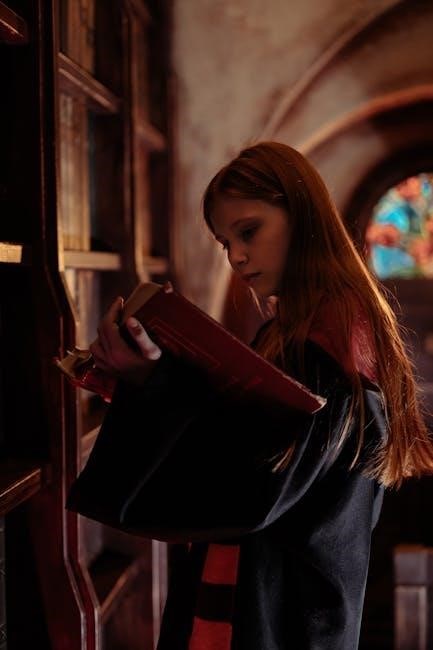
The house system serves as a microcosm of the wider wizarding world, reflecting different ideologies and values․ Harry’s placement in Gryffindor, despite possessing qualities that might have suited Slytherin, sets him on a path of conflict with Draco Malfoy and establishes a core dynamic throughout the novel․ The rivalry fuels much of the early plot and character development․
Quidditch: A Sport Reflecting Wizarding Values
Quidditch, the wizarding world’s most popular sport, is far more than just a game; it’s a vibrant expression of their culture and priorities․ Played on broomsticks, it combines elements of rugby, basketball, and dodgeball, demanding skill, courage, and teamwork․
The positions – Chasers, Beaters, Keepers, and Seekers – each require distinct abilities, mirroring the diverse talents valued within wizarding society․ The Golden Snitch, a winged ball that determines the game’s end, embodies the importance of quick thinking and strategic pursuit․
Harry’s natural talent as a Seeker immediately establishes him as a hero, showcasing Gryffindor’s emphasis on bravery and daring․ The fast-paced action and inherent risks of Quidditch reflect a willingness to embrace challenges and demonstrate magical prowess․ It’s a spectacle that unites the school and embodies the thrill of the wizarding world․
The Mystery of the Sorcerer’s Stone
A central plot revolves around protecting the Stone from Voldemort’s return․ Intrigue builds as Harry, Ron, and Hermione uncover clues and face perilous obstacles․

Part 4: Themes and Symbolism
The novel deeply explores universal themes resonating with readers of all ages․ Good versus evil is a prominent archetype, embodied in the conflict between Harry and Voldemort, showcasing the enduring power of morality․

Love and sacrifice are powerfully depicted, particularly through Lily Potter’s ultimate act, creating a protective charm for Harry․ This highlights love’s strength as a magical force․
Death and mortality are subtly introduced, forcing young Harry to confront Voldemort’s legacy and the loss of his parents․ The Sorcerer’s Stone itself symbolizes the desire to overcome death, a temptation that drives the villain․ Symbolism extends to Hogwarts, representing a safe haven and the importance of community․ These interwoven themes elevate the story beyond a simple adventure, offering profound insights into the human condition․
Good vs․ Evil: A Classic Archetype
The core conflict in The Sorcerer’s Stone fundamentally rests upon the age-old battle between good and evil, presented through Harry Potter and Lord Voldemort․ Voldemort embodies pure, unrestrained evil, driven by a lust for power and immortality, willing to sacrifice anything to achieve his goals․ He represents a corruption of magical ability․
Harry, conversely, represents inherent goodness, fueled by love, courage, and a strong moral compass․ His protection stems from his mother’s sacrifice, a testament to the power of selfless love․ This dichotomy isn’t simplistic; characters exhibit shades of grey, but the central opposition remains clear․
The narrative reinforces this archetype through symbolic representations – light versus darkness, order versus chaos․ Dumbledore serves as a guiding force for good, while characters like Snape present moral ambiguity․ Ultimately, Harry’s victory isn’t solely about magical prowess, but about choosing good over evil, a timeless message․
The Power of Love and Sacrifice
A central theme woven throughout The Sorcerer’s Stone is the profound power of love and the willingness to sacrifice for others․ Lily Potter’s ultimate act – sacrificing herself to save Harry – isn’t merely a plot device, but the foundational protection that shields him from Voldemort’s fatal curse․
This act of love creates a magical shield, demonstrating that love is a force more potent than even the darkest magic․ Harry’s own willingness to face Voldemort, despite his fear, echoes this selflessness․ He prioritizes protecting the Stone, and his friends, over his own safety․
Dumbledore’s guidance consistently emphasizes the importance of love and connection․ The narrative suggests that love isn’t simply an emotion, but a powerful magical energy capable of overcoming evil․ Sacrifice, therefore, isn’t a loss, but a transformation of love into an enduring protective force․
Death and Mortality: Facing Voldemort’s Legacy
The novel introduces themes of loss and confronting mortality through Harry’s parents’ death․ Voldemort’s pursuit of immortality highlights the fear of death and its consequences․

Part 5: Literary Techniques and Narrative Structure
J․K․ Rowling masterfully employs several literary techniques to enhance the narrative’s impact․ Foreshadowing is subtly woven throughout, hinting at future revelations and building suspense – for example, the recurring motif of Harry’s scar․ The narrative voice, primarily third-person limited through Harry’s perspective, allows readers to experience the magical world alongside him, fostering a strong connection․
The use of magical realism seamlessly blends fantastical elements with a relatable, everyday setting, grounding the extraordinary in the ordinary․ This technique makes the wizarding world feel surprisingly plausible․ Rowling’s pacing is deliberate, gradually revealing information and escalating the stakes․ The structure follows a classic hero’s journey archetype, with Harry’s quest to protect the Sorcerer’s Stone mirroring traditional narratives of courage and self-discovery․ Symbolism, such as the Mirror of Erised, adds layers of meaning, prompting reflection on desires and identity․

Foreshadowing and Suspense
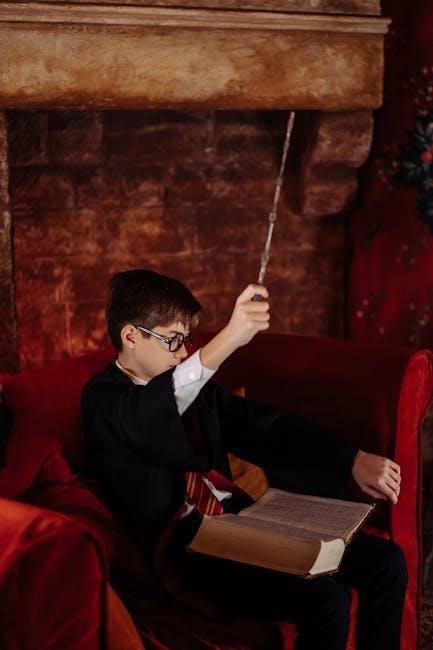
Rowling expertly utilizes foreshadowing to create a pervasive sense of suspense throughout The Sorcerer’s Stone․ Early mentions of Voldemort, even as whispers and fearful recollections, establish him as a looming threat long before his full appearance․ Harry’s recurring dreams and the strange occurrences surrounding his scar subtly hint at a deeper connection to the dark wizard and the dangers ahead․
The prophecy concerning Harry and Voldemort, revealed gradually, builds anticipation and raises the stakes․ Quirrell’s nervous behavior and evasiveness, coupled with his unusual turban, serve as red herrings, subtly suggesting a hidden agenda․ The challenges protecting the Sorcerer’s Stone – the three-headed dog, the Devil’s Snare, the flying keys, and the chess game – each escalate the tension and foreshadow the ultimate confrontation․ These carefully placed clues don’t reveal the entire plot, but effectively maintain reader engagement and a constant feeling of unease․
Point of View and Narrative Voice
The Sorcerer’s Stone is primarily narrated from a third-person limited point of view, focusing almost exclusively on Harry Potter’s experiences and perceptions․ This narrative choice allows readers to deeply connect with Harry, experiencing the magical world through his innocent and often bewildered eyes․ We are privy to his thoughts and feelings, fostering empathy and investment in his journey․
The narrative voice is accessible and engaging, particularly for a young audience, yet maintains a level of sophistication that appeals to readers of all ages․ Rowling skillfully balances descriptive passages with dialogue and action, creating a dynamic and immersive reading experience․ While limited to Harry’s perspective, the narrative occasionally offers glimpses into the thoughts and motivations of other characters, enriching the story’s complexity․ This consistent perspective builds a strong sense of intimacy and allows for effective dramatic irony, as readers often know more than Harry does․
The Use of Magical Realism
Rowling masterfully blends fantastical elements with the mundane, grounding the magical world in relatable, everyday experiences․ This technique creates a believable and immersive reality for readers․
Harry Potter and the Sorcerer’s Stone stands as a monumental achievement in children’s and young adult literature․ Its enduring appeal lies not only in its captivating story but also in its universal themes of friendship, courage, and the triumph of good over evil․ The novel revitalized the fantasy genre, inspiring a new generation of readers and writers․
The book’s success spawned a multimedia franchise, including blockbuster films, theme parks, and countless merchandise items, solidifying its place in popular culture․ Adaptations broadened its reach, introducing the wizarding world to an even wider audience․ Despite the passage of time, the story continues to resonate with readers of all ages, offering a comforting escape and valuable life lessons․
Its continued relevance is a testament to Rowling’s skillful storytelling and the timeless nature of its core messages․ The Sorcerer’s Stone isn’t simply a children’s book; it’s a cultural touchstone that continues to shape imaginations and inspire a love of reading worldwide․
The Book’s Place in the Fantasy Genre
Harry Potter and the Sorcerer’s Stone arrived at a pivotal moment for the fantasy genre, helping to usher in a new golden age․ While fantasy literature had a rich history, Rowling’s work distinguished itself through its accessibility and grounding in relatable, contemporary experiences, despite its magical setting․
The novel skillfully blended classic fantasy tropes – the chosen one, magical schools, epic battles – with elements of boarding school stories and detective fiction․ This unique combination broadened the genre’s appeal, attracting readers who might not have previously engaged with fantasy․ It moved away from the high, often dense, fantasy of previous decades․
Rowling’s world-building, meticulous and immersive, set a new standard for the genre․ The detailed rules of magic, the intricate social structures of the wizarding world, and the believable characters all contributed to its success․ The Sorcerer’s Stone paved the way for a surge in young adult fantasy, influencing countless authors and shaping the landscape of the genre for years to come․
Adaptations and Continued Popularity
The 2001 film adaptation of Harry Potter and the Sorcerer’s Stone, directed by Chris Columbus, was a monumental success, further amplifying the book’s already immense popularity; The film faithfully captured the spirit of the novel, introducing a new generation to the wizarding world and becoming one of the highest-grossing films of all time․
Beyond the initial film, the entire book series received successful cinematic adaptations, solidifying the franchise’s place in popular culture․ However, the story’s reach extends far beyond the films․ The book continues to be widely read, translated into numerous languages, and remains a staple in school curricula worldwide․
The enduring appeal lies in its universal themes of friendship, courage, and overcoming adversity․ The Wizarding World has expanded into theme parks, merchandise, and a thriving fan community, demonstrating the lasting legacy of The Sorcerer’s Stone and its continued relevance in contemporary society․ It’s a cultural touchstone for millennials and beyond․