Moisture meters are vital tools for assessing material water content‚ ensuring quality and preventing issues.
Calibration videos‚ like those for the Wagner Orion 950‚ demonstrate proper usage. These devices are essential for professionals and DIY enthusiasts alike.
What is a Moisture Meter?
A moisture meter is an instrument used to determine the percentage of water contained within a material. These devices are crucial in various fields‚ including construction‚ woodworking‚ and even disaster restoration‚ where accurately assessing moisture levels is paramount. They prevent structural damage‚ mold growth‚ and ensure optimal material performance.
Different types exist‚ ranging from pin-type meters that physically penetrate the material to pinless meters utilizing electromagnetic waves. Calibration‚ as shown in Wagner Orion 950 tutorials‚ is vital for accurate readings. Understanding how these meters function – whether measuring resistance or capacitance – is key to interpreting results effectively and maintaining material integrity.
Types of Moisture Meters
Moisture meters broadly fall into two categories: pin-type and pinless. Pin-type meters‚ as the name suggests‚ use probes to physically penetrate the material‚ measuring electrical resistance which correlates to moisture content. These are generally more affordable and suitable for a wider range of materials.
Pinless meters‚ like the Wagner Orion 950‚ utilize electromagnetic waves to detect moisture beneath the surface‚ offering non-destructive testing. They are ideal for delicate materials or when avoiding penetration is necessary. Calibration procedures‚ often demonstrated on platforms like YouTube‚ are crucial for both types. Choosing the right meter depends on the application‚ material type‚ and desired level of accuracy.
Why Use a Moisture Meter?
Moisture meters are indispensable for preventing costly problems related to excess moisture. In construction‚ they ensure proper drying of wood before finishing‚ avoiding warping or mold growth. For flooring installation‚ accurate moisture readings guarantee adhesion and prevent buckling.
Detecting leaks in buildings is another critical application‚ safeguarding structures from water damage. Professionals rely on calibrated instruments‚ like the Wagner Orion 950‚ for reliable results. Even hobbyists benefit from understanding material moisture levels. Resources like YouTube tutorials demonstrate the importance of proper calibration and usage for accurate assessments and informed decision-making.
Understanding Moisture Meter Readings
Interpreting readings requires understanding scales and factors influencing accuracy. Calibration‚ as shown in Orion meter guides‚ is crucial for reliable results and material assessment.
Percentage vs. Scale Readings
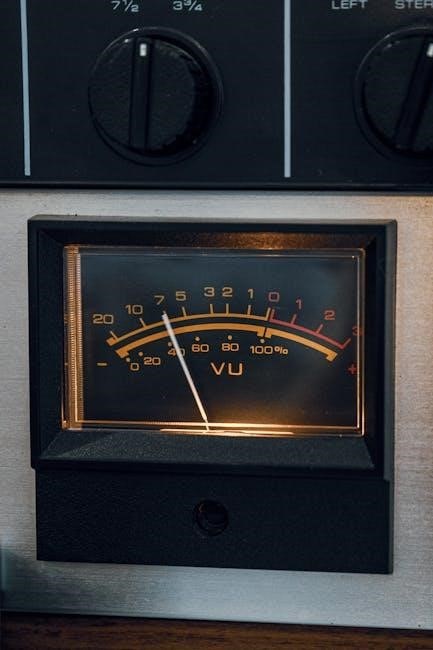
Moisture meters present readings in two primary formats: percentage (%) and scale (0-100). Percentage readings directly indicate the weight of water relative to the total material weight‚ offering a precise measurement of moisture content. Scale readings‚ conversely‚ are often arbitrary and material-specific‚ requiring reference to the meter’s manual to correlate the number with actual moisture levels.
Understanding which format your meter utilizes is critical for accurate interpretation. Some meters‚ like the Wagner Orion 950‚ allow switching between these modes. Calibration procedures‚ frequently demonstrated on platforms like YouTube‚ ensure the accuracy of both percentage and scale readings. Always consult the device’s documentation to properly decipher the displayed values and avoid misinterpretations.
Factors Affecting Readings
Several factors can influence the accuracy of moisture meter readings. Ambient temperature and humidity significantly impact results‚ particularly with capacitance meters. Material temperature also plays a role; cold materials may register lower moisture content. Species and density variations within a material type affect readings‚ necessitating species-specific calibration settings when available.
Surface conditions‚ like dirt or coatings‚ can obstruct sensor contact and skew measurements. Proper surface preparation is crucial. Furthermore‚ the meter’s calibration status directly impacts accuracy; regular calibration‚ as shown in Wagner Orion 950 tutorials on YouTube‚ is essential. Understanding these influences ensures reliable moisture assessment and prevents inaccurate conclusions.
Common Materials and Expected Readings
Expected moisture content varies significantly by material. For kiln-dried lumber‚ readings typically fall between 6-8%. Green lumber can range from 30-60%‚ depending on the species and drying process. Concrete moisture levels should ideally be below 5% before flooring installation. Drywall generally requires readings under 12% to prevent mold growth.
Understanding these benchmarks is crucial for accurate assessment. Different materials require specific meter settings and interpretation. Pin-type meters provide localized readings‚ while pinless meters offer broader averages. Calibration‚ as demonstrated in Wagner Orion 950 guides‚ ensures reliable results across diverse materials‚ aiding informed decision-making in construction and restoration.

Calibration of Moisture Meters
Regular calibration is key for accurate readings‚ utilizing calibration blocks or following procedures like those shown in Wagner Orion 950 videos.
Why Calibrate a Moisture Meter?
Calibration ensures your moisture meter provides consistently accurate readings‚ which is paramount for reliable assessments of material moisture content. Over time‚ sensors can drift due to normal wear and tear‚ environmental factors‚ or even battery fluctuations. Without periodic calibration‚ readings become questionable‚ potentially leading to incorrect decisions regarding drying processes‚ construction projects‚ or material storage.
For instance‚ inaccurate readings could result in using wood with excessive moisture in furniture making‚ leading to warping or mold growth. Calibration‚ as demonstrated in resources like Wagner Orion 950 tutorials‚ establishes a baseline and corrects for these deviations. It’s a proactive step to maintain the integrity of your measurements and avoid costly mistakes. Regular checks guarantee dependable performance.
Calibration Procedure — General Steps
Generally‚ calibration begins with accessing the meter’s settings menu‚ often involving a specific button combination. Next‚ select the calibration mode‚ which may prompt you to use a calibration block with a known moisture content. Place the meter firmly on the block‚ ensuring good contact between the sensor and the material. The meter will then compare its reading to the block’s known value and adjust accordingly.
Resources like YouTube tutorials for the Wagner Orion 950 highlight this process. Repeat this step with multiple calibration blocks representing different moisture levels for enhanced accuracy. Finally‚ save the calibration settings and verify the calibration by re-testing with a known sample. Always consult your meter’s specific manual for detailed instructions.
Using Calibration Blocks
Calibration blocks are crucial for accurate moisture meter readings‚ providing a known standard for comparison. These blocks‚ typically made of wood‚ are manufactured with precisely measured moisture content levels. Utilizing multiple blocks—representing low‚ medium‚ and high moisture ranges—ensures comprehensive calibration across the meter’s scale.
When employing calibration blocks‚ ensure they are clean‚ undamaged‚ and representative of the materials you’ll be testing. Proper contact between the meter’s sensor and the block is vital; apply firm‚ even pressure. Videos demonstrating Wagner Orion 950 calibration emphasize this point. Regularly check the blocks’ moisture content to maintain calibration reliability.

Specific Moisture Meter Models
Various models‚ like the Wagner Orion 950‚ offer unique features. Pinless and pin-type meters cater to different needs‚ impacting accuracy and application versatility.
Wagner Orion 950 Moisture Meter
The Wagner Orion 950 is a highly regarded pinless moisture meter‚ favored by professionals in flooring‚ restoration‚ and building inspection. Its advanced sensor technology allows for quick‚ non-destructive readings through various wood species and building materials. Calibration is crucial for maintaining accuracy‚ and resources like YouTube tutorials demonstrate the procedure effectively.
This model boasts a wide measurement range and multiple scales‚ accommodating diverse project requirements. Users appreciate its ease of use and robust construction. Understanding the specific calibration steps‚ as highlighted in online guides‚ ensures reliable results. Regular calibration‚ utilizing appropriate blocks‚ maximizes the meter’s performance and longevity‚ preventing inaccurate assessments of moisture levels.
Pinless vs. Pin-Type Meters
Pin-type moisture meters utilize probes that penetrate the material‚ providing a direct measurement of electrical resistance‚ ideal for precise readings in wood. Conversely‚ pinless meters‚ like the Wagner Orion 950‚ employ electromagnetic fields to detect moisture beneath the surface – a non-destructive method suitable for various materials.
Pinless meters are faster and avoid damaging surfaces‚ but readings can be influenced by surface conditions and material density. Pin-type meters offer greater accuracy but require creating small holes. Choosing the right type depends on the application; restoration often benefits from pinless technology‚ while detailed wood analysis may require pin-type precision. Calibration procedures differ for each type‚ ensuring optimal performance.

Troubleshooting Common Issues
Inaccurate readings can stem from improper calibration‚ dirty sensors‚ or incorrect material settings; Regularly calibrate your meter using appropriate calibration blocks‚ as demonstrated in Wagner Orion 950 tutorials on YouTube. Low battery power frequently causes erratic behavior; ensure fresh batteries are installed.
Sensor damage‚ particularly with pin-type meters‚ can lead to false readings – inspect probes for corrosion or breakage. If the display is malfunctioning‚ check the user manual for reset procedures. For pinless meters‚ ensure proper contact with the surface. If issues persist‚ consult the manufacturer’s support or consider professional repair.

Moisture Meter Maintenance
Regular cleaning and proper storage are crucial for longevity. Replace batteries promptly‚ and carefully inspect sensors for damage‚ ensuring accurate readings consistently.
Cleaning and Storage
Maintaining your moisture meter involves simple yet crucial steps to ensure its accuracy and lifespan. After each use‚ gently wipe the device with a soft‚ dry cloth to remove any dust‚ debris‚ or moisture that may have accumulated on the sensor pins or housing. Avoid using harsh chemicals or abrasive cleaners‚ as these can damage the sensitive components.

Proper storage is equally important. When not in use‚ store the moisture meter in a clean‚ dry environment‚ away from extreme temperatures and humidity. A protective case is highly recommended to prevent physical damage. Remove the batteries if the meter will be stored for an extended period to avoid potential corrosion. Following these guidelines will help keep your moisture meter in optimal working condition for years to come.
Battery Replacement
Maintaining consistent power is vital for accurate readings. When the moisture meter’s display indicates low battery levels‚ promptly replace the batteries to avoid interrupted measurements. Refer to your meter’s manual for the correct battery type and size – typically‚ these are standard AA or 9V batteries.
To replace the batteries‚ locate the battery compartment (usually on the back or side of the device) and open it according to the manufacturer’s instructions. Insert new batteries‚ ensuring correct polarity (+ and -). Close the compartment securely. Dispose of used batteries responsibly‚ following local regulations. Regular battery checks and replacements guarantee reliable performance and prevent inaccurate readings during critical assessments.
Sensor Care
Protecting the sensors is crucial for maintaining the accuracy and longevity of your moisture meter. Regularly inspect the pins (for pin-type meters) for damage‚ corrosion‚ or debris. Clean them gently with a soft‚ dry cloth after each use. Avoid bending or forcing the pins‚ as this can compromise their functionality.
For pinless meters‚ keep the sensing pad clean and free from dust or contaminants. Do not use abrasive cleaners or solvents‚ as these can damage the sensor surface. Store the meter in a protective case when not in use to shield the sensor from physical damage and environmental factors. Proper sensor care ensures consistent and reliable moisture readings.

Advanced Features and Techniques
Modern moisture meters offer data logging and relative humidity considerations for precise analysis. Utilizing these features enhances accuracy for specialized applications and detailed assessments.
Data Logging
Data logging is a powerful feature found in many advanced moisture meters‚ allowing users to store numerous readings over time. This capability is incredibly valuable for monitoring moisture levels in large areas or tracking changes within materials during drying or curing processes. Stored data can often be downloaded to a computer for detailed analysis‚ report generation‚ and long-term record-keeping.
The benefits of data logging extend to identifying trends‚ pinpointing potential problem areas‚ and providing documented evidence of moisture content. This is particularly useful in construction‚ woodworking‚ and restoration projects where maintaining specific moisture levels is critical for structural integrity and preventing mold growth. Some meters offer real-time data logging‚ while others allow for scheduled or triggered recording.
Relative Humidity Considerations
Relative humidity (RH) significantly impacts moisture meter readings‚ especially with pinless technologies. Higher RH levels can lead to falsely elevated readings‚ as the meter detects moisture in the air surrounding the material‚ not just within it. Accurate measurements require accounting for RH‚ often through built-in sensors or manual input of ambient conditions.

Many advanced meters automatically compensate for RH‚ providing more reliable results. However‚ understanding the influence of RH is crucial for interpreting data correctly. When working in environments with fluctuating humidity‚ it’s best to allow materials to acclimate before testing and to record the RH alongside moisture readings. Ignoring RH can lead to incorrect assessments and potentially costly mistakes.
Using Moisture Meters for Specific Applications
Moisture meters find diverse applications across industries. In woodworking‚ they ensure proper drying before finishing‚ preventing warping and cracking. Construction relies on them to verify drywall and concrete are sufficiently dry before installation‚ avoiding mold growth. Flooring installers use meters to confirm subfloor moisture levels meet standards.
Firewood processors assess wood for optimal seasoning‚ maximizing heating efficiency. Agricultural applications include grain and hay moisture testing for safe storage. Selecting the appropriate meter type – pin or pinless – depends on the application and material. Understanding specific material characteristics and expected moisture ranges is vital for accurate interpretation and successful project outcomes.

Safety Precautions
Always prioritize electrical safety and material compatibility when using moisture meters. Follow proper usage guidelines to avoid damage or inaccurate readings‚ ensuring user and device safety.
Electrical Safety
Moisture meters‚ particularly pin-type models‚ involve electrical currents. Always exercise caution when working near electrical sources or wiring. Never use a moisture meter in damp or wet environments where electrical shock is a risk. Inspect the meter’s pins or sensors for damage before each use; damaged components can create a safety hazard. Ensure the meter is properly grounded if required by the manufacturer’s instructions. Avoid modifying the meter or its components‚ as this could compromise its safety features. Be mindful of the materials you are testing‚ as some may conduct electricity. Disconnect the meter from any power source before cleaning or performing maintenance. Regularly check the battery compartment for corrosion‚ and replace batteries promptly. Prioritize personal safety by wearing appropriate protective gear‚ such as insulated gloves‚ when necessary.
Material Compatibility
Moisture meters are designed for specific materials; using them on incompatible substances can yield inaccurate readings or damage the device. Pin-type meters are suitable for wood‚ drywall‚ and other porous materials‚ but can damage delicate surfaces. Pinless meters are generally safer for non-destructive testing but may have limitations with certain materials. Always consult the meter’s manual to determine its compatibility with the material you intend to test. Avoid using a moisture meter on materials containing active electrical components. Be cautious when testing treated wood‚ as preservatives can affect readings. Understand that different wood species have varying moisture content levels. Consider the material’s density and thickness‚ as these factors influence moisture penetration. Proper material selection ensures accurate results and prolongs the meter’s lifespan.
Proper Usage Guidelines
Moisture meters require careful operation for accurate results. Always read the manual before use‚ understanding specific instructions for your model. Ensure the surface is clean and free of debris before testing. Pin-type meters require firm‚ perpendicular insertion for reliable readings; avoid angling the pins. Pinless meters need close contact with the material’s surface. Take multiple readings in different areas to account for variations. Record readings immediately to prevent forgetting. Calibrate the meter regularly‚ using calibration blocks when available. Avoid exposing the meter to extreme temperatures or humidity. Store the meter properly when not in use‚ protecting it from damage. Follow safety precautions regarding electrical hazards.